
Why Performance Management Software Matters in 2024
As a management consultant with over a decade of HR transformation experience, I’ve seen firsthand how organizations struggle to align people performance with overall business goals. In today’s landscape of hybrid workforces, rapid digitization, and increasing employee expectations, the need for effective performance management software has never been greater.
Gone are the days of awkward annual reviews and scattered Excel trackers. High-performing organizations are leveraging modern tools that streamline performance, enable coaching culture, and empower managers and employees to have more meaningful conversations—frequently and with data-backed insights.
What Is Performance Management Software?
Performance management software is a digital platform that helps organizations set goals, monitor progress, conduct feedback cycles, and assess employee performance in a structured and transparent way. In a well-implemented system, it connects individual objectives to team and organizational strategy, powering a culture of continuous improvement.
Key Features to Look For
Not all tools are created equal. The most effective performance management software brings together functionality, usability, and integration. Here are the must-have features to evaluate:
- Goal Setting (OKRs or SMART Goals): Support for individual and team objectives with progress tracking.
- Regular Check-ins: Facilitate real-time feedback and coaching conversations between employees and managers.
- 360-Degree Feedback: Peer, upward, and self-reviews to provide a well-rounded view of individual contribution.
- Performance Reviews: Customizable cycles for formal evaluations, ratings, and development planning.
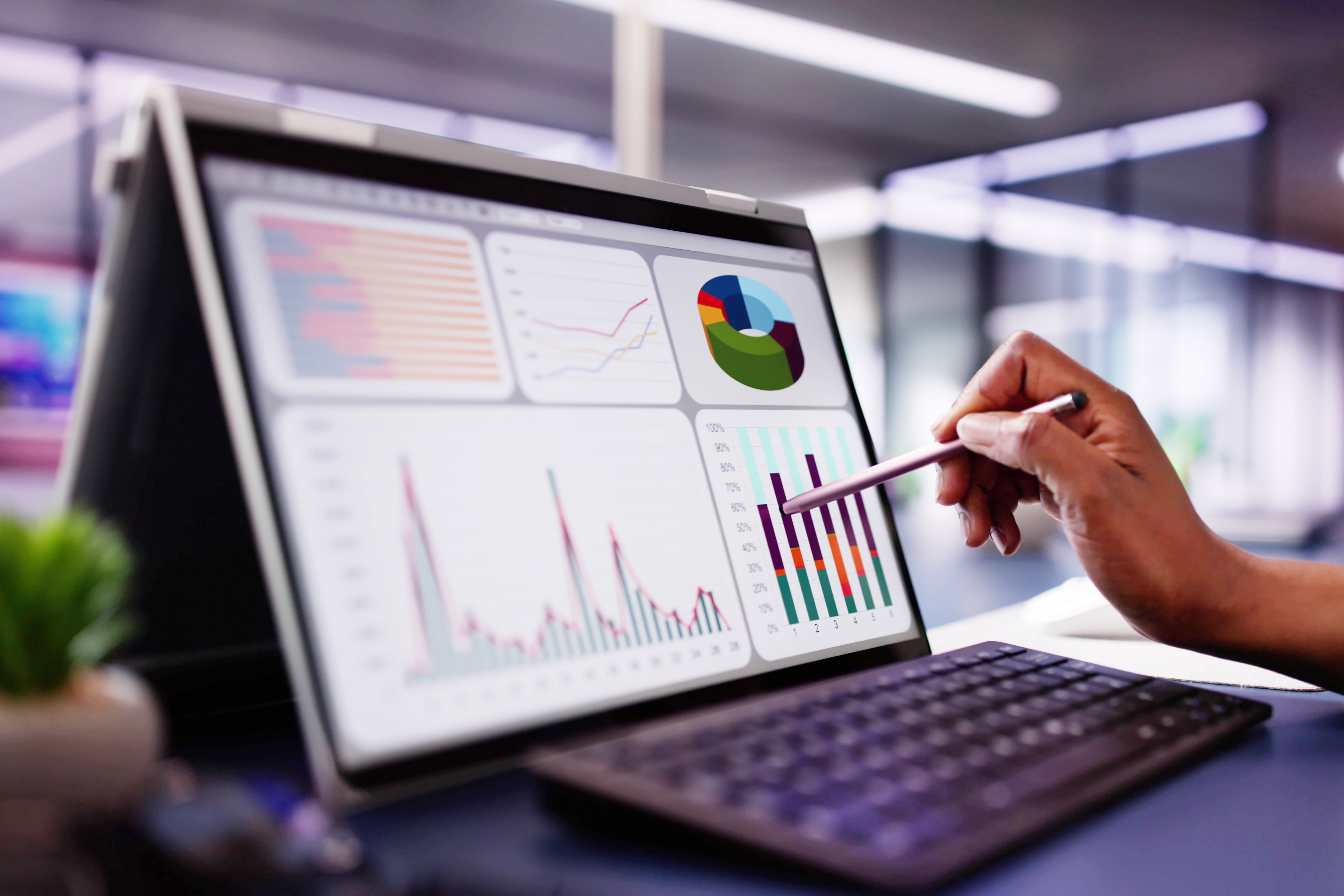
- Analytics & Reporting: Real-time dashboards to spot trends and ensure consistency across departments.
- Integration: Seamless connection with existing HRIS, payroll, and engagement tools.
Top Performance Management Tools in the Market
The market is flooded with tools, but a few consistently stand out due to innovation, scalability, and customer support. Here’s a curated list of the top performance management platforms used by leading HR teams:
- Lattice: Known for its strong OKR integration, continuous feedback, and modern UI.
- 15Five: Emphasizes wellbeing and manager empowerment through weekly check-ins and high-performance habits.
- Culture Amp: Combines performance management with engagement and DEI analytics for richer people insights.
- Workday: Best for large enterprises already using Workday as an HR suite.
- Leapsome: Great for mid-market firms seeking customizable templates and multilingual support.
Benefits of Using Performance Management Tools
When implemented the right way, these tools can deliver tangible returns. Let’s unpack a few of the biggest benefits:
- Improved Goal Alignment: Clear visibility into how individual goals support broader business objectives.
- Enhanced Employee Engagement: Frequent conversations and recognition boost morale and retention.
- Data-Driven Decisions: Replace gut-feel assessments with analytics and performance trends.
- Manager Effectiveness: Equip leaders with tools, prompts, and insights to coach better every day.
- Transparency and Fairness: Standardized evaluations help drive equitable growth and promotion decisions.
Expert Tips for Successful Implementation
I often see organizations purchase a tool, plug it in, and expect instant transformation. Performance management software isn’t a magic bullet—it’s a catalyst for behavioral and cultural change. Here’s how to ensure successful implementation:
- Secure Executive Sponsorship: Leverage leadership buy-in to model new behaviors and drive adoption.
- Train Managers: Tools don’t replace human judgment. Equip managers with skills to deliver feedback and coaching effectively.
- Start Small: Pilot with one department or region to learn and iterate before scaling enterprise-wide.
- Communicate WIIFM: Help employees understand the “What’s In It For Me” so they see the benefit beyond compliance.
- Keep It Agile: Review, adapt, and evolve the performance framework at least annually to reflect business needs.
Final Thoughts
Modern performance management isn’t about micromanaging employees—it’s about unlocking potential, aligning effort, and creating a feedback-rich culture. The right software can enable all of that. But remember: It’s not just about technology. It’s about behavior, expectations, and trust.
If you’re embarking on a performance management journey in your organization, I’d recommend starting with your culture and outcomes first, then finding the tool that best supports those goals—not the other way around.
As always, I’m here as a resource if you need support choosing or implementing a platform that drives high performance and meaningful growth.





Leave a Reply