
Modern organizations must evolve beyond traditional annual reviews to keep pace with rapidly shifting business landscapes. For HR leaders and business executives seeking to drive productivity, align talent with strategic goals, and foster a culture of continuous improvement, selecting the best performance management system (PMS) is no longer optional — it’s a competitive imperative. A well-designed PMS aligns individual contributions with organizational objectives, boosts employee engagement, and delivers the actionable insights leaders need to make informed people decisions.
Key Features of the Best Performance Management System
The most effective performance management systems are thoughtfully designed to provide real-time feedback, promote transparency, and improve workforce development. Below are the core features that separate the best systems from the rest:
1. Continuous Feedback and Coaching
Top systems support ongoing feedback rather than relying solely on yearly reviews. This enables a work culture centered on agility and constant growth. Coaching conversations can be scheduled or ad hoc, empowering managers and employees to address performance challenges early and recognize wins in real time.
2. Goal Alignment and OKR Integration
Leading platforms allow HR teams to integrate OKRs (Objectives and Key Results) or SMART goals throughout the performance lifecycle. Employees understand how their efforts support broader business outcomes, and leadership gains clarity into individual and team contributions.
3. Self-Assessments and 360-Degree Reviews
A comprehensive system should support multi-rater feedback. By combining self-evaluations with peer and manager assessments, you reduce bias, increase transparency, and uncover hidden performance signals. This well-rounded view supports more objective development conversations.
4. Customizable Review Templates
Not all teams work the same way. An adaptable PMS provides robust review templates that can be tailored to align with departmental KPIs, company culture, and leadership philosophies. Flexibility ensures the system adds organizational value rather than enforcing a one-size-fits-all model.
5. Analytics and Reporting
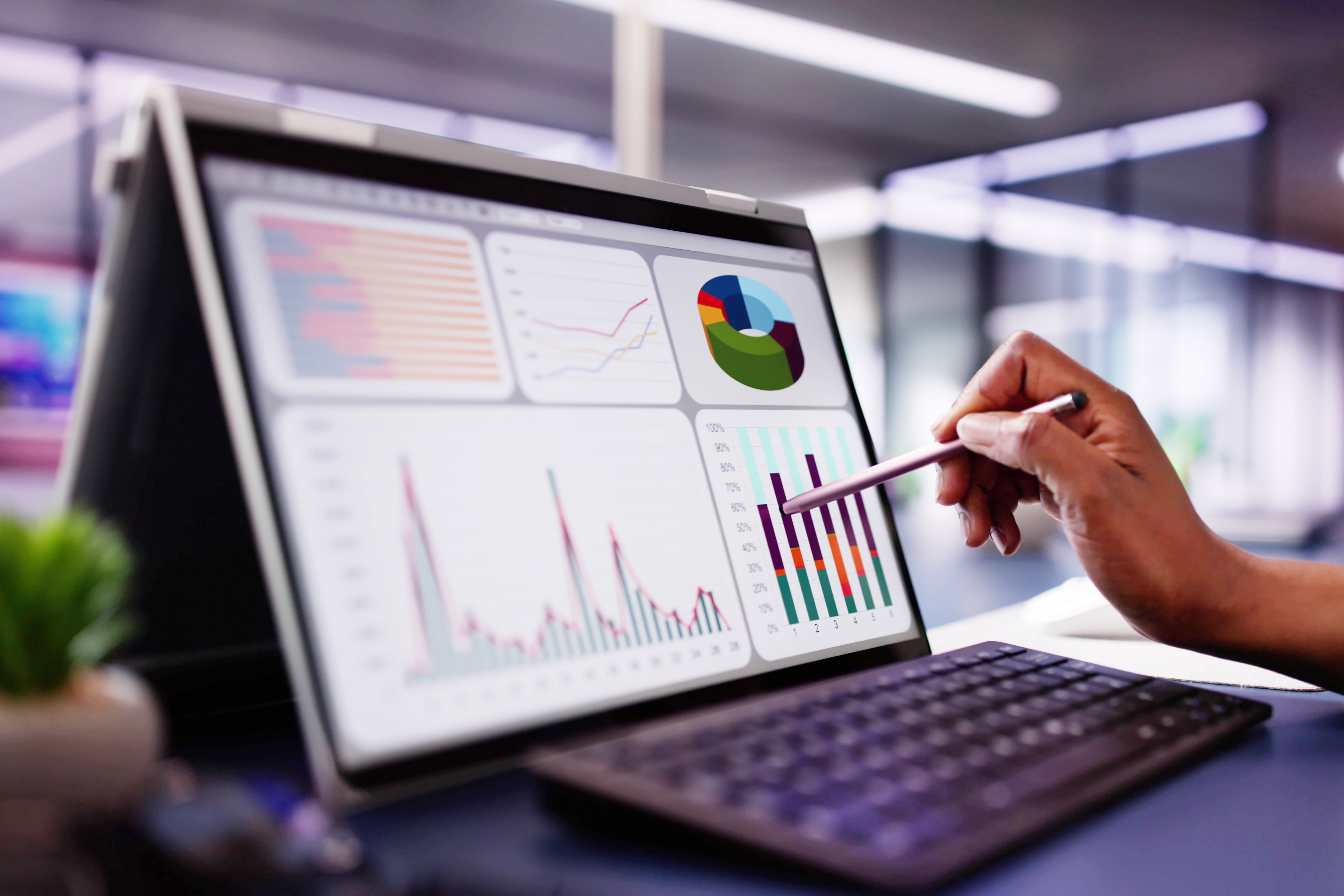
Advanced analytics deliver real-time dashboards and performance trends that enable HR leaders to proactively identify skill gaps, high-potential talent, and at-risk performance segments. Integration with HRIS systems enhances visibility and planning at the strategic level.
6. Employee Engagement Tools
The best performance management systems effectively bridge the gap between performance and engagement. Features such as pulse surveys, recognition tools, and engagement analytics help measure sentiment and build a more motivated workforce.
Top-Rated Performance Management Systems in 2024
While many platforms exist, a few have emerged as industry leaders by consistently delivering exceptional results:
- Lattice: Offers robust performance reviews, OKRs, and employee engagement functionality. Known for its clean interface and flexibility.
- Culture Amp: Ideal for organizations focused on people-first strategies, with integrated performance and engagement tools backed by behavioral science.
- 15Five: Combines weekly check-ins, goal tracking, and feedback to support a culture of performance and growth.
- Workday Performance Management: Best suited for enterprises already using Workday’s ERP suite; supports succession planning and detailed analytics.
- Leapsome: Modular design makes it easy to adopt components such as reviews, goals, and learning paths as a company grows.
How to Choose the Right System for Your Organization
The best performance management system for your company depends on factors such as size, industry, culture, and strategic objectives. Here are several criteria to guide your selection process:
- Scalability: Ensure the system can scale with your workforce growth and complexity.
- Ease of Use: Adoption rates improve when technology is intuitive and supports both HR administrators and employees.
- Integration Capabilities: Look for a system that integrates seamlessly with your existing HR tech stack — especially HRIS, payroll, and LMS tools.
- Support and Training: A dedicated customer success team and rich knowledge base are critical for a smooth implementation.
- Data Privacy and Compliance: Ensure that the platform meets your local and global compliance standards such as GDPR or SOC 2.
Conclusion
A modern performance management system does more than track employee progress — it drives business outcomes by aligning talent with strategy, encouraging feedback, and building leadership capacity. As organizations shift toward more agile and human-centric ways of working, investing in the right PMS is a powerful lever for growth and innovation. By selecting a solution that aligns with your people strategy and operational needs, HR leaders position their companies to better recognize, retain, and develop top talent.




Leave a Reply