
In today’s fast-paced, talent-driven economy, HR leaders and business executives must prioritize not only workforce optimization but also the ongoing personal development of their teams — and themselves. Setting personal development goals is no longer optional. Professional growth, leadership agility, and emotional intelligence directly impact organizational performance. When individuals align their development goals with strategic business imperatives, companies unlock a culture of accountability, innovation, and continuous learning.
Why Personal Development Goals Matter in Leadership
At its core, personal development is about enhancing skills, cultivating self-awareness, and setting purposeful direction in one’s career and life. For leadership teams and HR professionals, setting targeted goals can have downstream effects on team morale, retention, and organizational adaptability. Functionally, personal development goals help business leaders:
- Model growth mindset behavior for their teams
- Stay agile in response to evolving markets and technologies
- Enhance leadership competencies such as communication, delegation, and strategic thinking
- Develop resilience and emotional intelligence
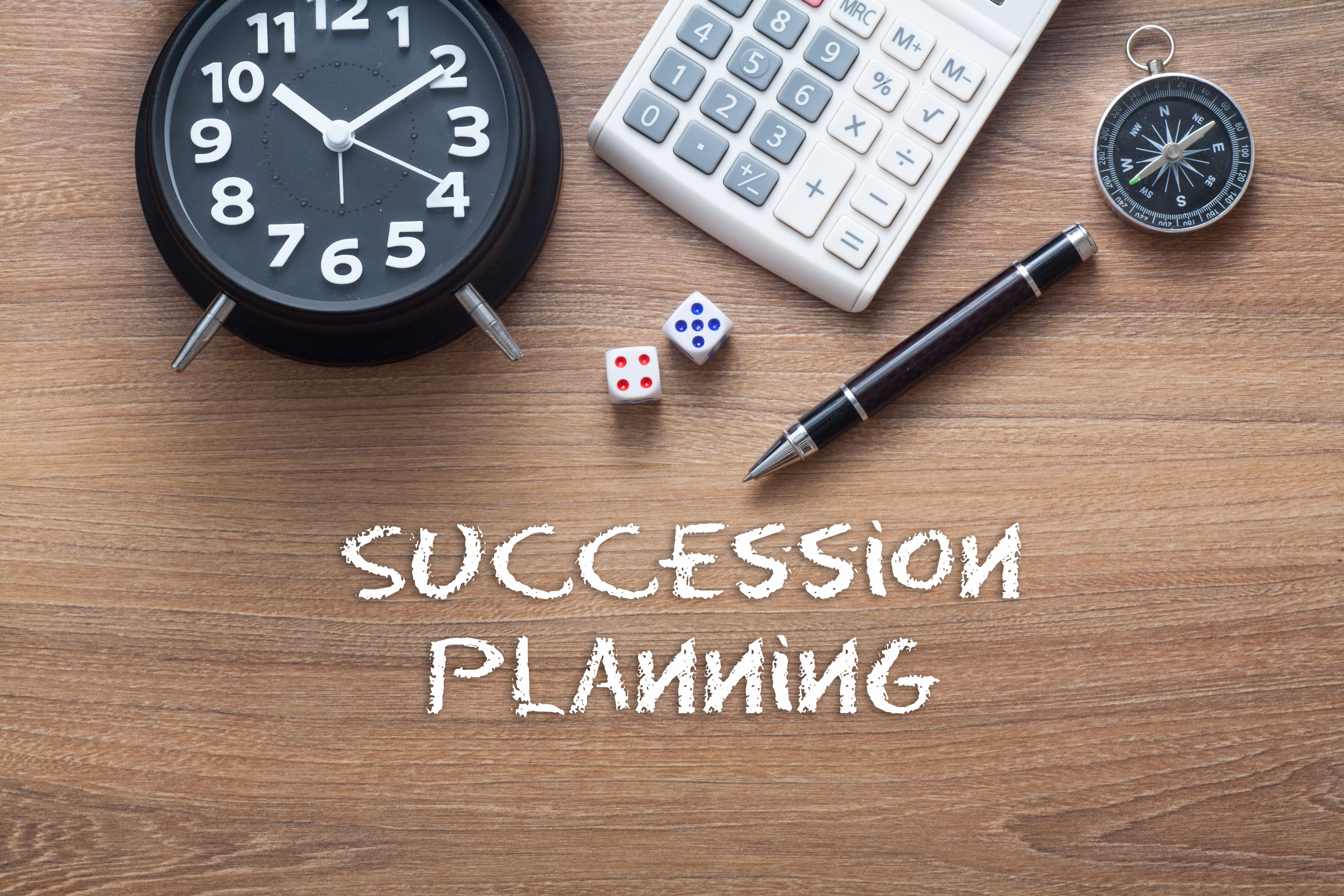
Well-structured personal development plans become critical tools for succession planning and leadership pipeline development — fundamental concerns for any HR executive.
Core Components of Effective Personal Development Goals
For goals to be effective, they must move beyond vague intentions. Using structured frameworks ensures alignment and accountability. Leaders should consider the following principles:
1. SMART Goals Framework
Ensure all development goals are Specific, Measurable, Achievable, Relevant, and Time-bound. For example, “Improve communication skills” becomes stronger when reframed as “Enroll in a two-day executive communications workshop by Q2 and deliver three stakeholder presentations per quarter.”
2. Alignment with Organizational Objectives
Personal growth should drive value for both the individual and the business. Leaders should assess how their goals nurture the company’s strategic direction and culture. For example, development in digital fluency may align with a broader digital transformation initiative.
3. Feedback and Reflective Practice
High-performing executives embrace feedback — whether through 360-degree assessments, coaching sessions, or peer reviews. Encourage structured reflection methods, such as journaling or monthly self-check-ins, to track progress and recalibrate goals.
4. Continuous Iteration
Set a rhythm for revisiting and adjusting development goals. Business contexts change — as do individual motivations and opportunities. Quarterly goal reviews tied to performance cycles can support long-term success and agility.
Examples of Leader-Level Personal Development Goals
- Advance executive presence: Participate in a minimum of four public speaking engagements this year to strengthen confidence and expand industry visibility.
- Build cross-functional collaboration: Lead a cross-departmental project aimed at reducing silos and improving team integration by Q3.
- Enhance digital literacy: Complete a certified AI leadership course and develop a strategic roadmap for AI adoption in the HR function.
- Improve coaching abilities: Conduct bi-monthly coaching sessions with direct reports and solicit feedback on leadership impact.
Implementing at Scale: Role of HR and Talent Leaders
For HR professionals, embedding personal development into the organizational fabric requires operational systems and cultural support. Consider the following practices:
- Integrate development goals into performance reviews and talent management systems
- Offer executive coaching, mentorship programs, and skills academies that cater to varied learning styles
- Create psychological safety for experimentation, failure, and reflection
- Recognize and reward growth behaviors through incentive programs and storytelling opportunities
With a structured approach and a willingness to invest in development infrastructure, HR leaders can multiply the impact of personal growth at scale.
Measuring the ROI of Personal Development
While intangible aspects of growth (mindset, empathy, creativity) are harder to quantify, HR teams can leverage several KPIs to measure effectiveness:
- Increased promotion readiness and reduced leadership attrition
- Improved team engagement and employee NPS scores
- Faster time-to-performance for new roles
- Quantifiable skill growth (certifications, assessments, project outcomes)
Combining these data points with qualitative feedback can offer a holistic view of development ROI and refine the organizational development strategy.
Conclusion
Setting personal development goals is a strategic imperative for today’s leaders. When rooted in introspection, aligned with evolving business needs, and supported by institutional frameworks, these goals become powerful catalysts for both individual transformation and enterprise agility. By leading with intention and encouraging a culture of lifelong learning, HR executives and business leaders can build resilient, forward-thinking organizations equipped for the challenges ahead.



Leave a Reply