
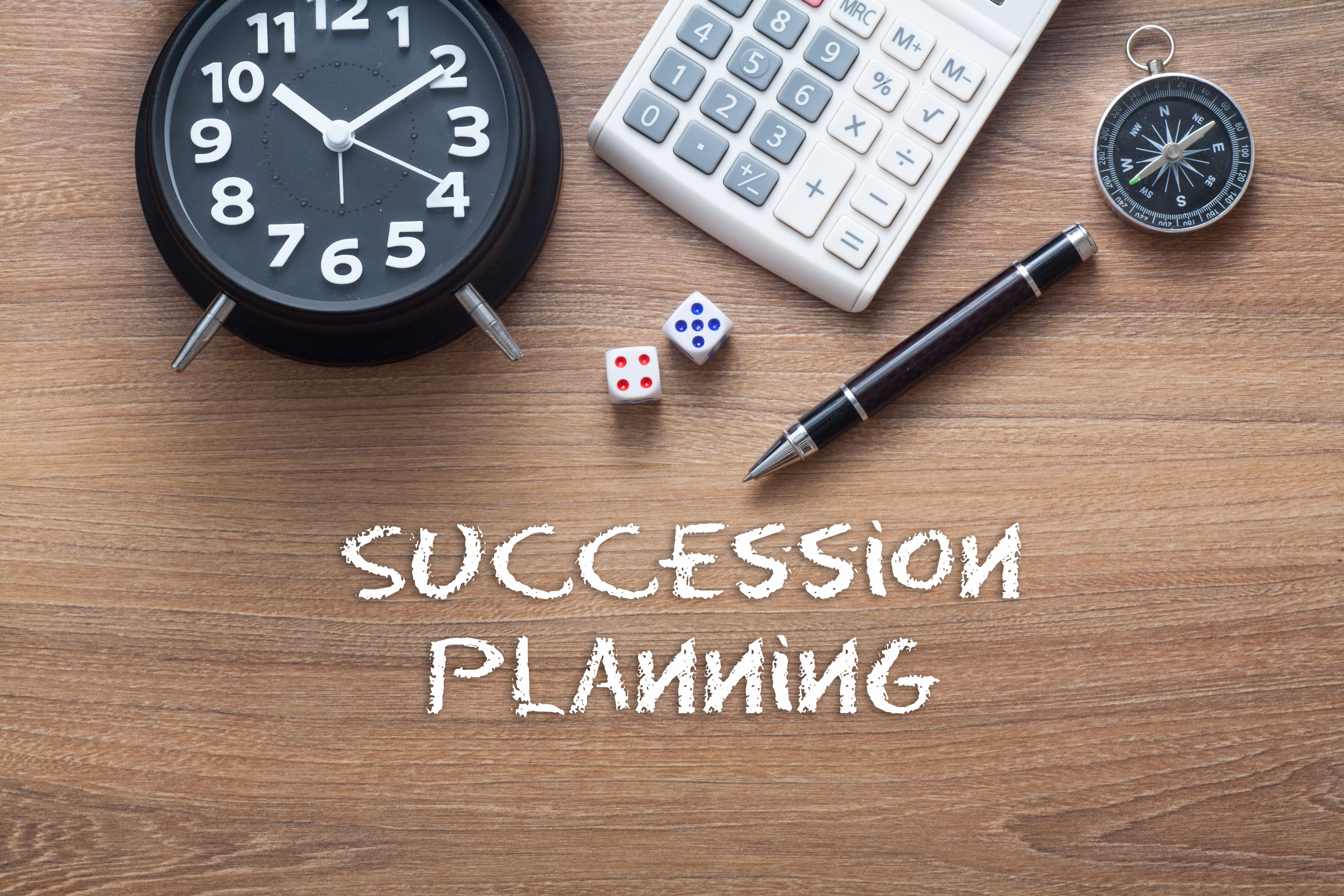
In today’s rapidly evolving business landscape, the continuity of leadership is not just a luxury — it’s a strategic imperative. Human Resource (HR) leaders play a pivotal role in designing and operationalizing succession plans that go beyond basic replacement charts. For forward-thinking HR and business executives, succession planning is about future-proofing the organization by investing in talent pipelines and fostering readiness for key transitions across leadership and critical roles.
Why Succession Planning Matters
Succession planning contributes directly to business resilience and long-term performance. Poorly managed transitions can cost millions in lost productivity, damaged morale, and missed opportunities. Strategic succession planning helps maintain momentum, retain institutional knowledge, and reinforce organizational culture during periods of change.
Aligning Succession with Business Strategy
Effective succession planning starts with a deep understanding of the organization’s strategic goals. HR must collaborate closely with executives and business unit leaders to anticipate future leadership requirements based on market trends, anticipated growth, and potential disruptions. This alignment ensures that the right leaders are identified and developed to execute future business models.
Core Responsibilities of HR in Succession Planning
While the responsibility for leadership continuity is shared, HR acts as the architect and steward of the succession strategy. Key responsibilities include:
- Identifying Critical Roles: HR partners with leadership to pinpoint roles whose vacancy would significantly impact the organization’s operations or direction — not only at the top but also in pivotal technical or functional areas.
- Assessing Talent Readiness: Using performance data, potential assessments, and 360-degree feedback, HR ensures that internal talent is evaluated objectively and consistently.
- Building Development Plans: HR customizes growth experiences — mentoring, job rotations, stretch assignments — that cultivate the competencies and mindsets required for future roles.
- Facilitating Succession Reviews: Annual or biannual talent review discussions provide a structured platform for executive consensus on potential successors, readiness levels, and developmental gaps.
- Driving Accountability: HR holds leaders responsible for nurturing successors and ensures succession outcomes are tied to performance metrics and incentives.
Leveraging Technology and Data
Modern HR leaders harness data analytics and workforce intelligence tools to elevate the quality of succession planning. These tools provide visibility into internal talent pools, track leadership potential over time, and reduce bias in decision-making. Integration with talent management systems ensures that succession plans remain dynamic, data-informed, and aligned with organizational changes.
Challenges in Execution
Despite its strategic value, succession planning is often underprioritized. Common obstacles include short-term thinking, lack of executive buy-in, and insufficient data. HR can counter these challenges by embedding succession planning into the fabric of talent strategy — making it a continuous process rather than a reactive event.
Embedding a Culture of Succession
For succession planning to thrive, HR must foster a culture that values growth, transparency, and leadership development. This cultural shift involves:
- Normalizing Leadership Transitions: Making it acceptable for leaders to discuss their career future and cultivate their successors.
- Democratizing Development Opportunities: Ensuring equitable access to experiences that prepare emerging leaders across diverse backgrounds.
- Communicating Intent with Transparency: When appropriate, being open with high-potential talent about developmental paths and leadership trajectories increases engagement and retention.
Conclusion
As strategic partners in organizational success, HR professionals are uniquely positioned to craft succession plans that prepare leaders, not just replacements. By combining strategic insight, robust processes, and a commitment to talent development, HR ensures the right people are ready at the right time to keep the business moving forward. In a world where uncertainty is constant, purposeful succession planning is a competitive differentiator — and HR is its trusted architect.



Leave a Reply